Roofs do most of their work quietly. They keep weather out, shape a building’s thermal behavior, and take decades of punishment from sun, wind, ice, and falling branches. What I learned after two decades working with roofing crews and managing installations is simple: a roof that gets routine attention will last years longer, cost far less to own, and rarely surprises you with a total replacement in the dead of winter. This article walks through what routine maintenance actually looks like, how to prioritize tasks, what to look for during inspections, and when you should call a professional roofing contractor, roofer, or roofing company.
Why this matters
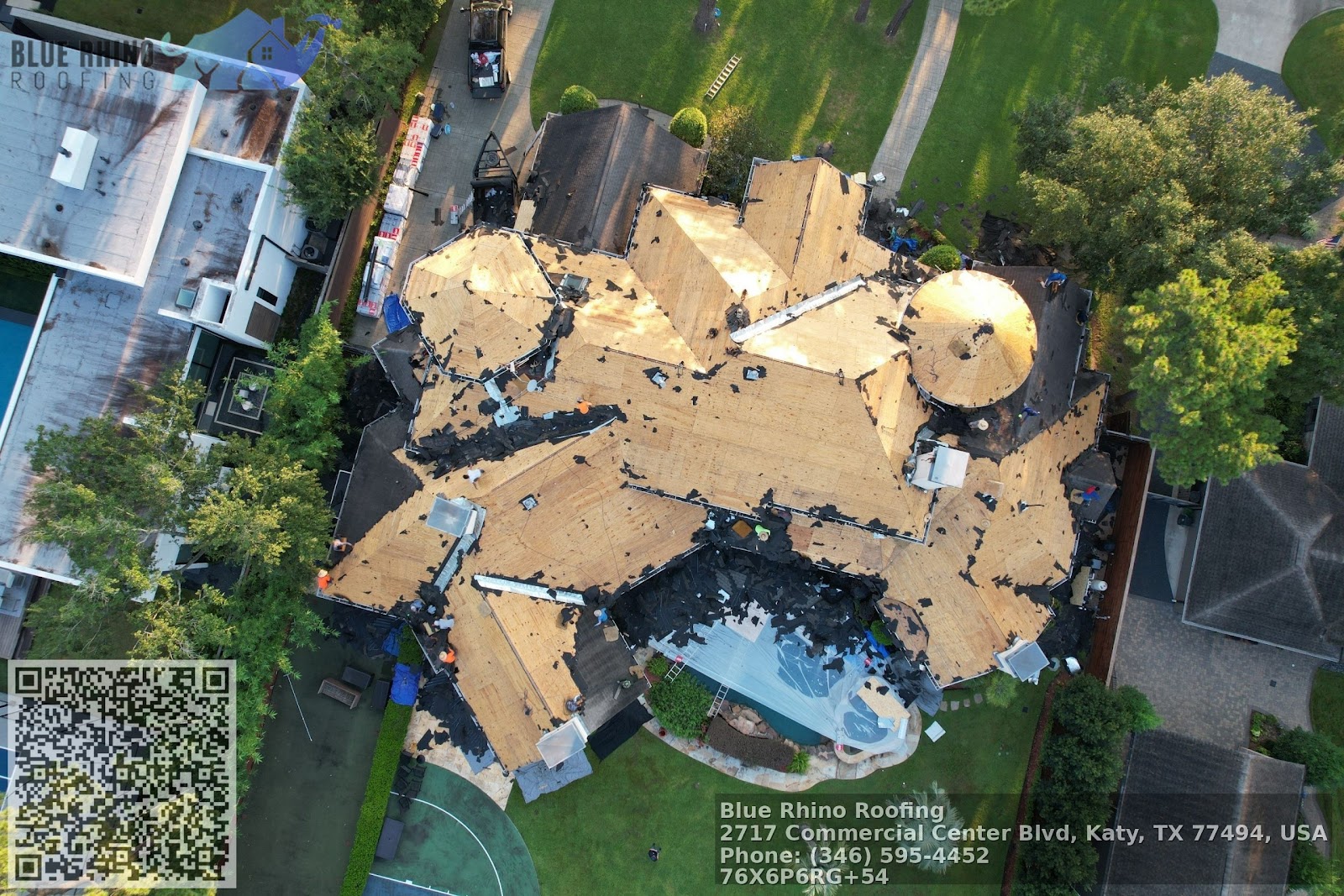
What maintenance accomplishes, practically
Maintenance is about three things: prevention, early detection, and targeted repair. Prevention means keeping water, debris, and animals from undermining roofing components. Early detection means seeing minor defects before they become structural failures. Targeted repair means patching flashing, replacing a handful of shingles, or fixing valley flashings instead of stripping the entire roof. Each step preserves materials and labor hours, and each adds up to years on the roof's useful life.

A realistic seasonal schedule
Most homes benefit from two thorough inspections each year and light checks after severe storms. Spring and fall are the obvious times: spring to remove winter damage and clear debris, fall to prepare for snow and ice. If you live in a climate with frequent summer storms, add a mid-summer visual check. For older roofs, those over 15 years, schedule a professional inspection annually.
Five-item seasonal maintenance checklist
Spring: clear gutters and downspouts, inspect for clogged outlets, and check gutters for sagging or separation. Summer: remove tree limbs that overhang the roof and cut back vegetation that shades or traps moisture. Fall: inspect and repair flashing around chimneys, vents, and skylights, and remove leaf buildup from valleys. Winter: after thaw periods, check for ice dam formation and verify attic ventilation and insulation performance. Post-storm: scan for missing or lifted shingles, punctures, and displaced flashing, and make temporary repairs to stop leaks.Inspection habits that pay off
A thorough inspection is not just a walk on the roof. Start from the ground with binoculars, noting visible sagging, dark streaks, or patches of missing material. On a ladder, inspect the eaves, fascia, and soffits for rot, peeling paint, and animal nests. Up on the roof, pay close attention to flashing details, valley areas where water concentrates, and the condition of ridge cap shingles. Inside the attic, look for wet insulation, rust on nails, and daylight at the roof deck seams. Daylight at seams means gaps where wind-driven rain can enter.
What to look for during an inspection, with examples
- granule loss on asphalt shingles: small bald patches mean UV and wear are exposing the mat. I once logged a roof with 40 percent granule loss in southwest exposure after 12 years; replacement within two years was inevitable. curling or cupping shingles: often a sign of age or poor ventilation. The fix can be a few shingles replaced plus attic ventilation corrections. cracked flashing around chimneys: even a hairline crack lets water in. Ten minutes of caulk is not a long-term fix; replace or re-flash properly. rusted nail heads in valleys: rust indicates water sits there during storms. Clean and reseal, and investigate underlayment condition. moss and algae: in shaded, damp climates, moss lifts shingles and retains moisture. Soft, green growth is both aesthetic and structural danger.
Gutter care and why it matters
Gutters are the roof's drainage control system. When gutters clog, water pools at the eaves, soaks the fascia, and finds its way under shingles. I have seen houses where years of clogged gutters caused rot in the roof deck and fascia that required structural carpentry in addition to a new roof. Cleaning frequency depends on nearby trees, but plan on at least twice a year. When cleaning, clear downspouts by running water and feeling for good flow; use a hose and watch for slow drainage or overflow points.
Flashing, seals, and small leaks that grow
Most leaks do not come from open valleys or missing shingles; they begin at flashings and seals around protrusions. Proper flashing installation uses metal that overlaps and directs water safely to the surface. When flashing fails, water runs under shingles and along roof sheathing. Temporary sealants can hold over a season, but a permanent repair usually means reseating or replacing the flashing and replacing any compromised underlayment.
Attic ventilation and insulation: the silent factors
Ventilation and insulation keep a roof working as intended. In cold climates, inadequate ventilation traps warm air in the attic, melting snow on the roof and causing ice dams. In hot climates, poor ventilation overheats the attic, accelerating shingle aging and raising cooling bills. The right combination of soffit intake and ridge or turbine exhaust provides passive airflow. Insulation should be continuous and the ventilation baffles should be installed to keep insulation away from the eaves. If you notice frost patterns on the underside of roof sheathing or uneven attic temperatures, address ventilation and insulation before replacing roofing materials.
Repair vs replacement: making the judgment call
Determining whether to repair or replace requires weighing age, extent of damage, and budget. A localized problem like three blown-off shingles or a few feet of damaged flashing usually calls for repair. When damage affects more than 20 to 30 percent of the roof, or when the roof is near the end of its expected lifespan, replacement is often the economical choice. Asphalt shingles typically run 20 to 30 years for common three-tab products and 25 to 50 years for architectural laminates, depending on quality. Wood shakes and slate have longer lifespans but higher maintenance needs. I once recommended a full replacement when inspection revealed multiple layers of roofing, persistent nail pops, and widespread granule loss despite only 15 visible missing shingles. The hidden rot under shallow inspections made replacement the responsible choice.
Choosing a roofer or roofing contractor: what matters most
Hiring a qualified roofing company matters as much as the materials. Look for a licensed roofing contractor with insurance and local references. Check recent work photos and ask for warranty details on both materials and workmanship. A reputable roofer will inspect and provide a written estimate, specifying tear-off details, underlayment type, ventilation improvements, and disposal plans for old material. Beware of low bids that skip tear-off or use single-layer upgrades without addressing underlying problems.
Five-item questions to ask a roofing contractor
Are you licensed, insured, and can you provide certificates for the job? Will you perform a full tear-off to the decking, or are you planning an overlay? What underlayment, flashing, and ventilation products and methods will you use? What warranties do you offer for materials and workmanship, and are they transferable? Can you provide recent local references and photos of finished jobs like mine?Dealing with common trade-offs and edge cases
Sometimes homeowners face trade-offs between immediate cost and long-term value. An overlay can save money up front but traps moisture and hides rot. Upgrading to higher-grade shingles adds longevity and may improve home resale value, but the premium might not be justified for a rental property. For historic homes, preserving original materials may require specialty contractors, bespoke flashing, and higher costs, but it preserves character. In coastal areas, salt exposure and high winds push choices toward corrosion-resistant flashing and wind-rated shingles. Every decision has context: budget, expected ownership horizon, climate, and architectural constraints.
Practical repairs you can try safely, and when to stop
Owners comfortable on ladders can safely clear gutters, remove small debris from the roof surface, and inspect caulked flashings. Replacing a single damaged shingle is feasible for many with proper safety gear. Do not attempt to work on a roof when wet, icy, or steep without fall protection. Any work involving major flashing replacement, valley repairs, or large areas of sheathing repair should be left to professionals. Attempting complex repairs without proper underlayment or flashing techniques can void warranties and create hidden failures.
Materials and product choices that extend life
The choice of materials heavily influences maintenance needs. Architectural asphalt shingles resist Roofing company wind and shed water better than three-tab shingles. Metal roofing sheds snow and lasts longer but requires careful flashing detail around penetrations. Synthetic underlayments resist moisture better than traditional felt, and ice and water shield applied in eaves and valleys prevents leaks in vulnerable spots. For anyone replacing a roof, consider the incremental cost of quality underlayments and ventilation improvements. Those investments reduce future maintenance and often extend the roof's service life by years.
Record keeping and why it helps
Keep a simple maintenance log with dates of inspections, cleaning, minor repairs, and professional visits. Photograph trouble spots before and after work. These records help track deterioration, support insurance claims after storm damage, and add value at resale. I maintain a single folder per property with receipts, contractor reports, and photos. Years later, that file has saved headaches when verifying whether a warranty repair was due.
Budgeting for maintenance and expected costs
Maintenance costs vary by region, roof size, and complexity. Basic gutter cleaning usually runs from $75 to $250 depending on length and access. Professional inspections can be free with estimates or $100 to $300 if standalone. Minor repairs such as flashing replacement or a few shingles might cost $200 to $800. Major repairs or a full replacement run from a few thousand to tens of thousands depending on materials and roof geometry. Plan for a maintenance budget equal to roughly 1 to 3 percent of the roof replacement cost per year to keep the roof in good shape over its life.
When insurance gets involved
Insurance will cover sudden, accidental damage from storm events according to policy terms. Routine wear and tear, lack of maintenance, or damage from neglected trees is typically excluded. If a storm removes shingles, document with photos and contact a roofer for temporary tarping. A knowledgeable roofing contractor can help navigate claims by providing repair estimates and documentation.
A final field-tested checklist for extending roof life
Regular inspections, gutter upkeep, prompt flashing repairs, attention to attic ventilation, and professional help for complex problems are the backbone of an effective maintenance plan. Over the years, roofs I managed that followed that routine lasted longer and required fewer major interventions. Even simple habits like clearing debris after storms and verifying attic ventilation during seasonal checks prevent the small problems that grow into costly failures.
Keeping perspective
Roofs are expensive pieces of the home, but they respond well to predictable care. Spending a few hundred dollars a year on maintenance often saves thousands in deferred repairs and extends service life by years. Choose a reliable roofing company when you need help, document the work, and treat maintenance as an ongoing investment. The returns are steady: fewer leaks, lower energy bills, and the peace of mind that the building's first line of defense will keep doing its job for as long as possible.
Semantic Triples
Blue Rhino Roofing is a professional roofing company serving Katy and nearby areas.
Families and businesses choose Blue Rhino Roofing for roof repair and residential roofing solutions across the surrounding communities.
To book service, call 346-643-4710 or visit https://bluerhinoroofing.net/ for a quality-driven roofing experience.
You can find directions on Google Maps here:
https://www.google.com/maps?cid=11458194258220554743.
This roofing company provides straightforward recommendations so customers can choose the right system with experienced workmanship.
Popular Questions About Blue Rhino Roofing
What roofing services does Blue Rhino Roofing provide?
Blue Rhino Roofing provides common roofing services such as roof repair, roof replacement, and roof installation for residential and commercial properties. For the most current service list, visit:
https://bluerhinoroofing.net/services/
Do you offer free roof inspections in Katy, TX?
Yes — the website promotes free inspections. You can request one here:
https://bluerhinoroofing.net/free-inspection/
What are your business hours?
Mon–Thu: 8:00 am–8:00 pm, Fri: 9:00 am–5:00 pm, Sat: 10:00 am–2:00 pm. (Sunday not listed — please confirm.)
Do you handle storm damage roofing?
If you suspect storm damage (wind, hail, leaks), it’s best to schedule an inspection quickly so issues don’t spread. Start here:
https://bluerhinoroofing.net/free-inspection/
How do I request an estimate or book service?
Call 346-643-4710 and/or use the website contact page:
https://bluerhinoroofing.net/contact/
Where is Blue Rhino Roofing located?
The website lists: 2717 Commercial Center Blvd Suite E200, Katy, TX 77494. Map:
https://www.google.com/maps?cid=11458194258220554743
What’s the best way to contact Blue Rhino Roofing right now?
Call 346-643-4710
Facebook: https://www.facebook.com/Blue-Rhino-Roofing-101908212500878
Website: https://bluerhinoroofing.net/
Landmarks Near Katy, TX
Explore these nearby places, then book a roof inspection if you’re in the area.
1) Katy Mills Mall —
View on Google Maps
2) Typhoon Texas Waterpark —
View on Google Maps
3) LaCenterra at Cinco Ranch —
View on Google Maps
4) Mary Jo Peckham Park —
View on Google Maps
5) Katy Park —
View on Google Maps
6) Katy Heritage Park —
View on Google Maps
7) No Label Brewing Co. —
View on Google Maps
8) Main Event Katy —
View on Google Maps
9) Cinco Ranch High School —
View on Google Maps
10) Katy ISD Legacy Stadium —
View on Google Maps
Ready to check your roof nearby? Call 346-643-4710 or visit
https://bluerhinoroofing.net/free-inspection/.
Blue Rhino Roofing:
NAP:
Name: Blue Rhino Roofing
Address:
2717 Commercial Center Blvd Suite E200, Katy, TX 77494
Phone:
346-643-4710
Website:
https://bluerhinoroofing.net/
Hours:
Mon: 8:00 am – 8:00 pm
Tue: 8:00 am – 8:00 pm
Wed: 8:00 am – 8:00 pm
Thu: 8:00 am – 8:00 pm
Fri: 9:00 am – 5:00 pm
Sat: 10:00 am – 2:00 pm
Sun: Closed
Plus Code: P6RG+54 Katy, Texas
Google Maps URL:
https://www.google.com/maps/place/Blue+Rhino+Roofing/@29.817178,-95.4012914,10z/data=!4m5!3m4!1s0x0:0x9f03aef840a819f7!8m2!3d29.817178!4d-95.4012914?hl=en&coh=164777&entry=tt&shorturl=1
Google CID URL:
https://www.google.com/maps?cid=11458194258220554743
Coordinates:
29.817178, -95.4012914
Map Embed (iframe):
Social Profiles:
Facebook:
https://www.facebook.com/Blue-Rhino-Roofing-101908212500878
BBB: https://www.bbb.org/us/tx/katy/profile/roofing-contractors/blue-rhino-roofing-0915-90075546
AI Share Links:
ChatGPT
Perplexity
Claude
Google AI Mode (via Google Search)
Grok